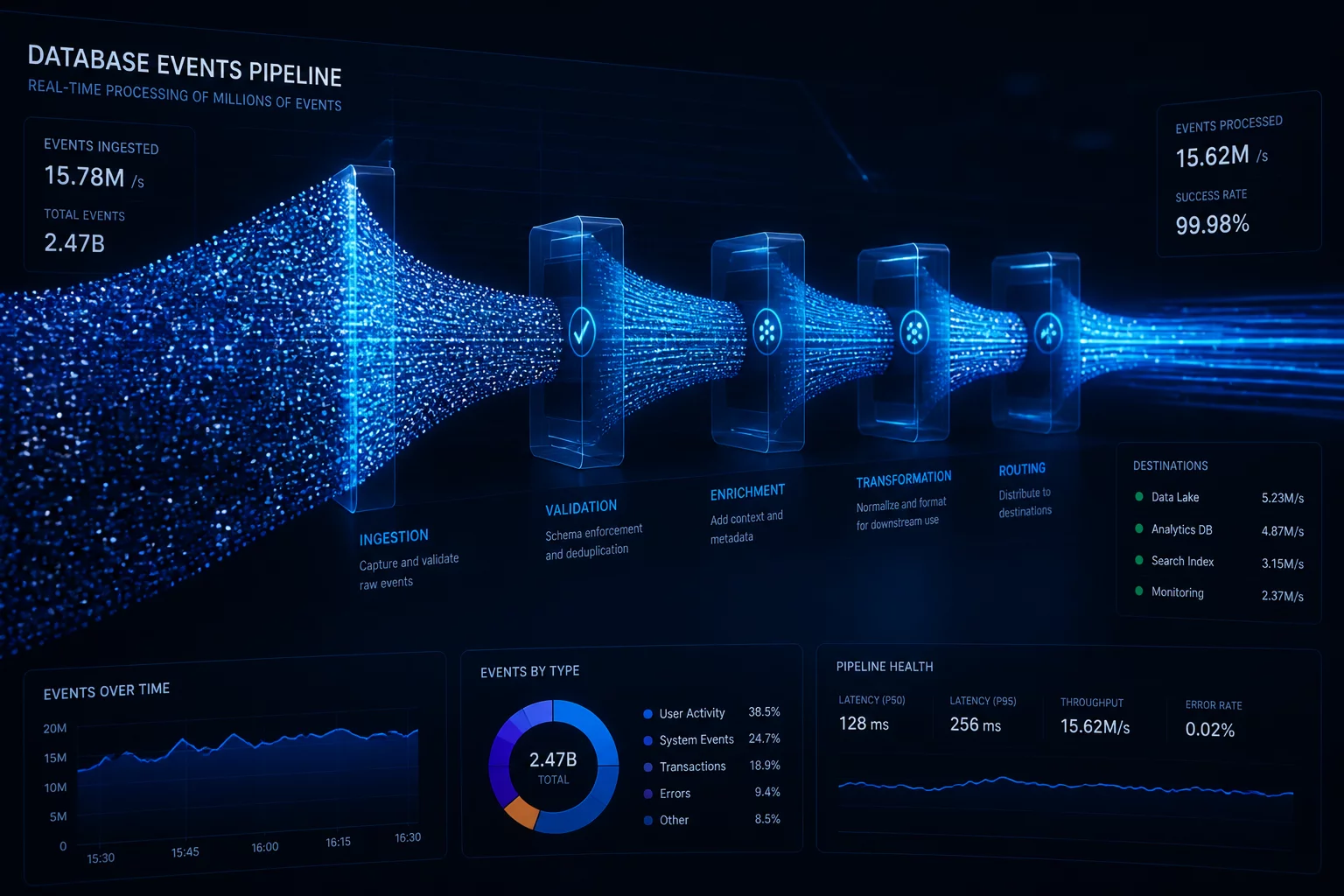
Analytics event schemas serve as the foundational contract between application code and data analytics platforms. The primary intent is to provide a standardized format that accommodates diverse interaction types while maintaining a flat, query-friendly structure for high-performance analysis. When developers design these schemas, they are essentially creating a blueprint for the future of business intelligence within the company.
The Core Intent of Event Tracking
Standardizing the way we log interactions eliminates ambiguity. By defining a strict structure for events, organizations avoid the common pitfall of fragmented data where identical actions are logged with different names across various platforms. This schema focuses on capturing the who, what, where, and when of every interaction without exception. It prioritizes immutability, ensuring that once an event enters the system, it remains a permanent record of a specific moment in time.
Structural Hierarchy and Payload Management
A well-designed analytics event schema typically consists of a header and a body. The header contains universal metadata—things like the unique event ID, the user session identifier, the precise UTC timestamp, and the client application version. The body, or payload, is often a flexible JSON structure containing event-specific properties. For instance, a purchase event includes the transaction value and currency, whereas a page view event focuses strictly on the URL and the referrer.
Balancing Flexibility and Validation
Modern implementations often use a validation layer before ingestion. This allows teams to iterate quickly while the event bus ensures that critical fields, such as the user identity, are never missing from the stream. Implementing this schema properly requires a centralized registry where every event name and its associated properties are documented for all engineering teams to follow.