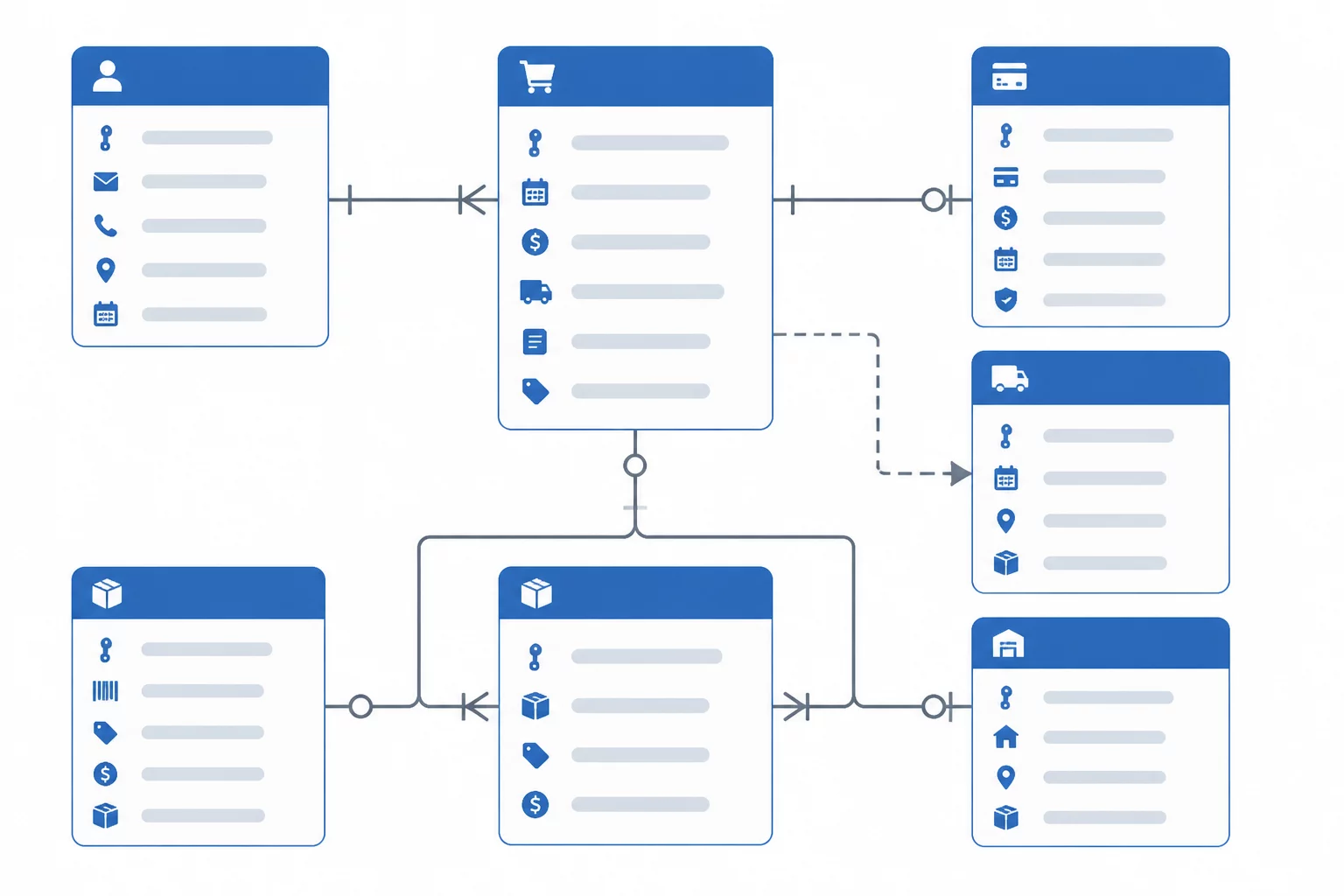
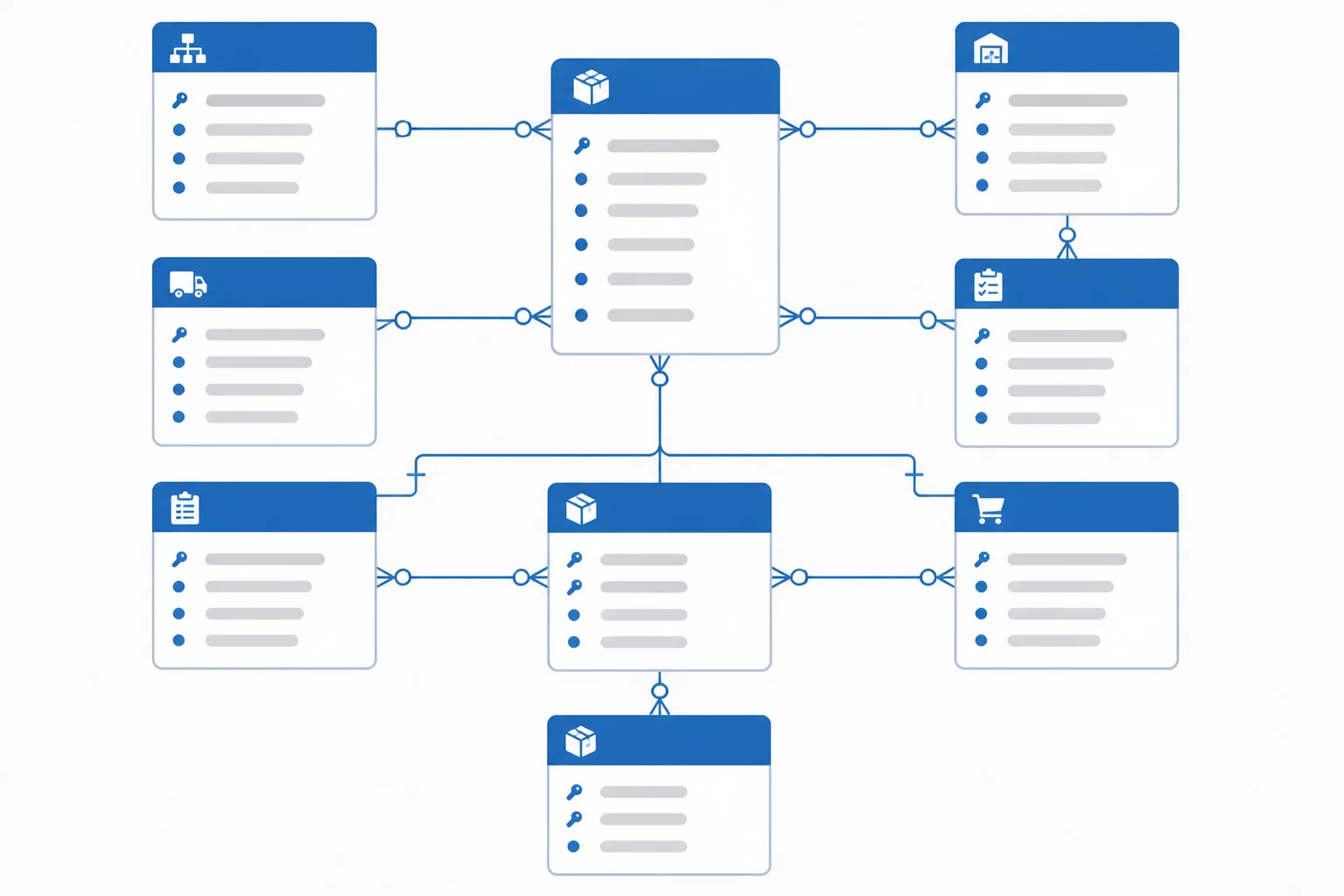

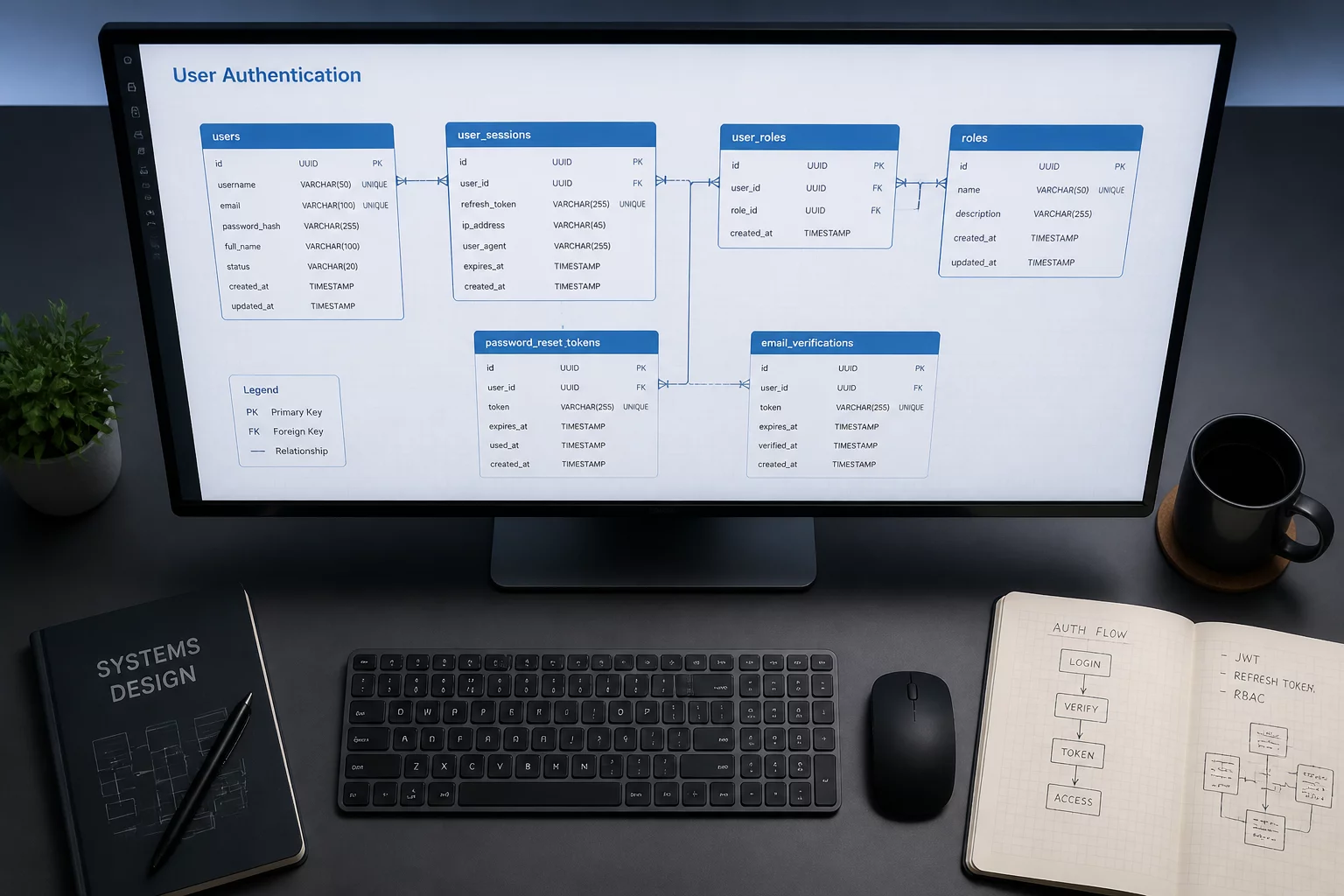
Use practical questions to examine table purpose, relationships, ownership, assumptions, and change impact.

Practical guides and checklists to document the 'Why' behind your database architecture.
Before writing a single column, ask why this table exists. Document the business reason behind each entity so future teams understand the intent and avoid structural drift over time.

Go beyond data types and constraints. Examine what each column truly represents in a business context so that semantic meaning stays consistent across teams and migrations.
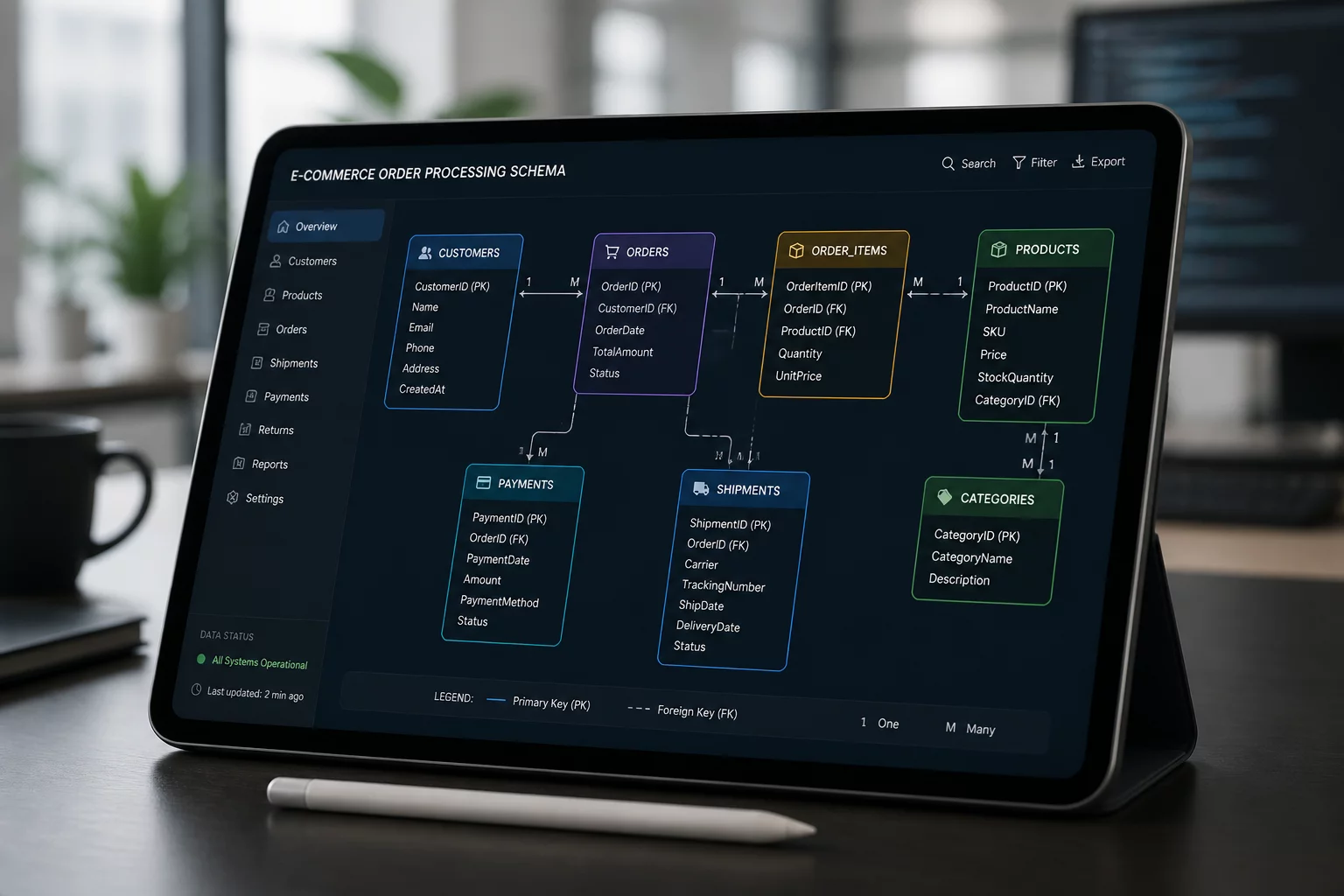
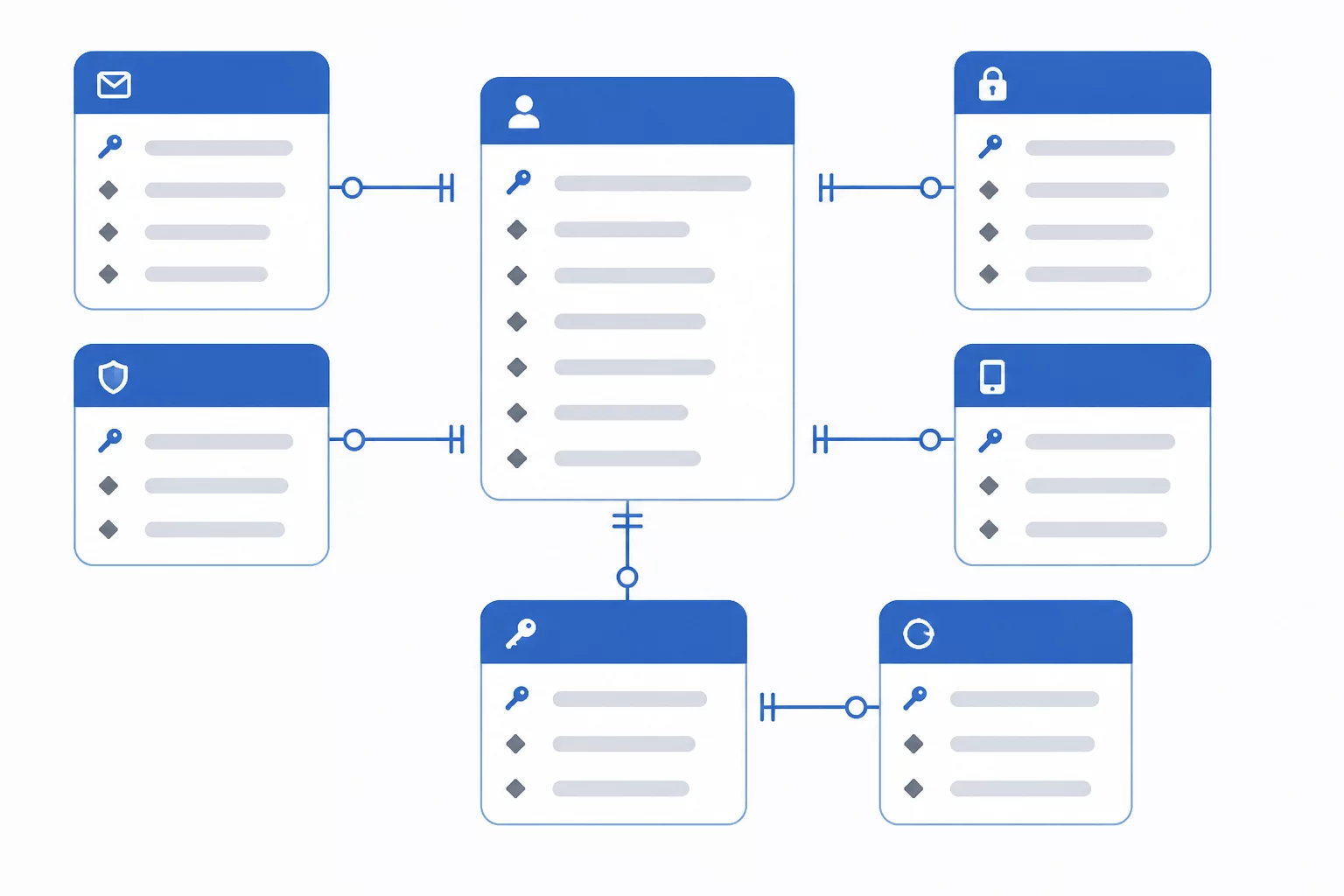
A structured checklist for verifying foreign key logic, cardinality, and the hidden assumptions behind every join. Catch relationship issues before they reach production.
Clarify who is responsible for each data definition. Without explicit ownership, schema decisions drift and no one can answer why a field was added or changed.
Before running any migration, work through these impact questions to identify downstream dependencies, broken assumptions, and risks that could affect production stability.
Recognise the warning signs of field drift—when a column starts storing data it was never designed for. Left unchecked, ambiguity turns into silent technical debt.
A comprehensive checklist for transferring schema knowledge, implicit assumptions, and architectural intent to new developers or teams so nothing gets lost in the handoff.
To begin decoding the intent behind your database architecture, we require the following materials from your engineering team. These foundations ensure our handbook provides actionable structural insights.
Full DDL exports or ER diagrams representing your current production environment, including tables, views, and stored procedures.
Documentation detailing the business rules that govern your data, specifically explaining why certain entities were created.
Designated contact time with your lead database architects to clarify undocumented dependencies and ownership boundaries.
A summary of significant structural changes from the last 12 months to identify evolving assumptions in the schema.
Receive our comprehensive guide on database intent and structural dependencies directly in your inbox.
The SchemaIntent Handbook isn't just a collection of definitions; it is the result of thousands of hours of architectural review. Behind every entry is a team of dedicated database engineers who believe that the 'Why' is just as critical as the 'What'.
Every schema pattern is vetted by senior architects for real-world stability.
We analyze cross-table dependencies to prevent future breaking changes.

SchemaIntent Handbook is a specialized resource dedicated to the underlying meaning of database structures. We focus on the "Why" behind the architecture—uncovering the assumptions, dependencies, and ownership definitions that define production environments.
Deep dives into why specific tables exist and what their fields signify in a business context.
Analyzing how schema modifications ripple through complex systems and dependencies.
Clarifying who owns the definition of data and how intent is maintained over time.
Identifying the implicit logic embedded within database relationships and constraints.
To ensure educational integrity and security, SchemaIntent Handbook operates exclusively as a knowledge base. Our platform maintains a strict boundary from active production environments.