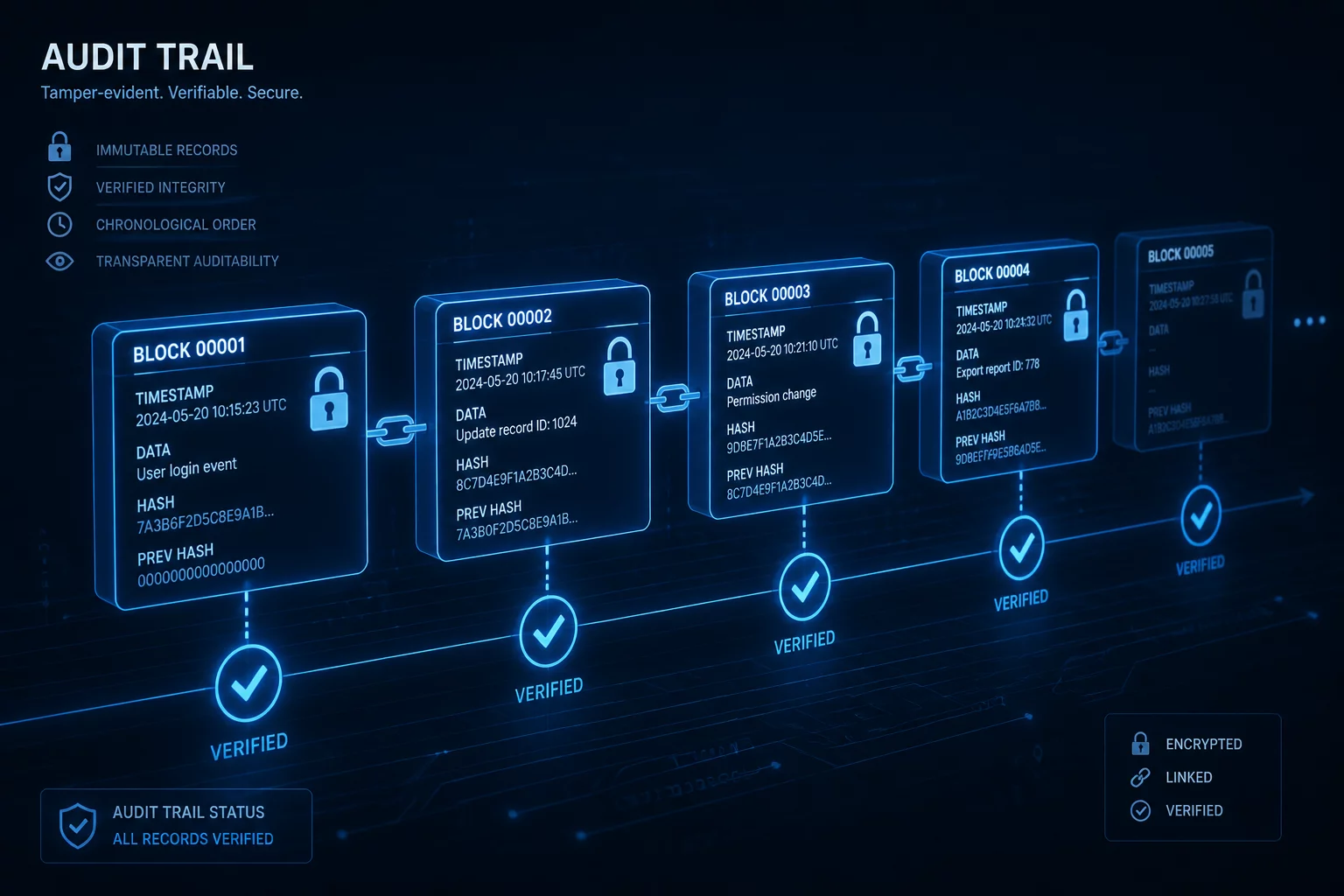
An audit log schema acts as the system's black box, recording every significant event, data change, or administrative action. It provides a historical record that is essential for security, debugging, and regulatory compliance. In a modern database architecture, the audit log isn't just a list of text messages; it is a structured repository of facts that describe how the state of the application has evolved over time.
The Core Components of Audit Trails
A well-defined audit schema must answer the standard "Who, What, When, and Where." Typically, this translates to columns for a precise timestamp, the unique identifier of the actor (user or system process), the type of action performed (e.g., INSERT, UPDATE, DELETE), and a reference to the affected entity. To provide maximum forensic value, many architects include JSONB snapshots of the record both before and after the modification, allowing for easy diffing and restoration if necessary.
Why Immutability Matters
The integrity of an audit trail depends entirely on its immutability. These tables should strictly follow an insert-only logic. Once a log entry is created, it must never be altered or removed by the application layer. This prevents malicious actors or erroneous code from erasing evidence of their actions. Database-level triggers or restricted permissions are common methods to enforce this guardrail, ensuring that the history remains a source of absolute truth.
Performance and Storage Strategies
Because audit logs grow indefinitely, performance can become a concern. Implementing table partitioning—often by month or year—helps maintain write speeds and makes archival easier. Older partitions can be moved to cheaper storage or compressed without affecting the active tables. Furthermore, asynchronous logging via an event bus can offload the write burden from critical transaction paths, ensuring that logging activities do not introduce latency into the user experience.