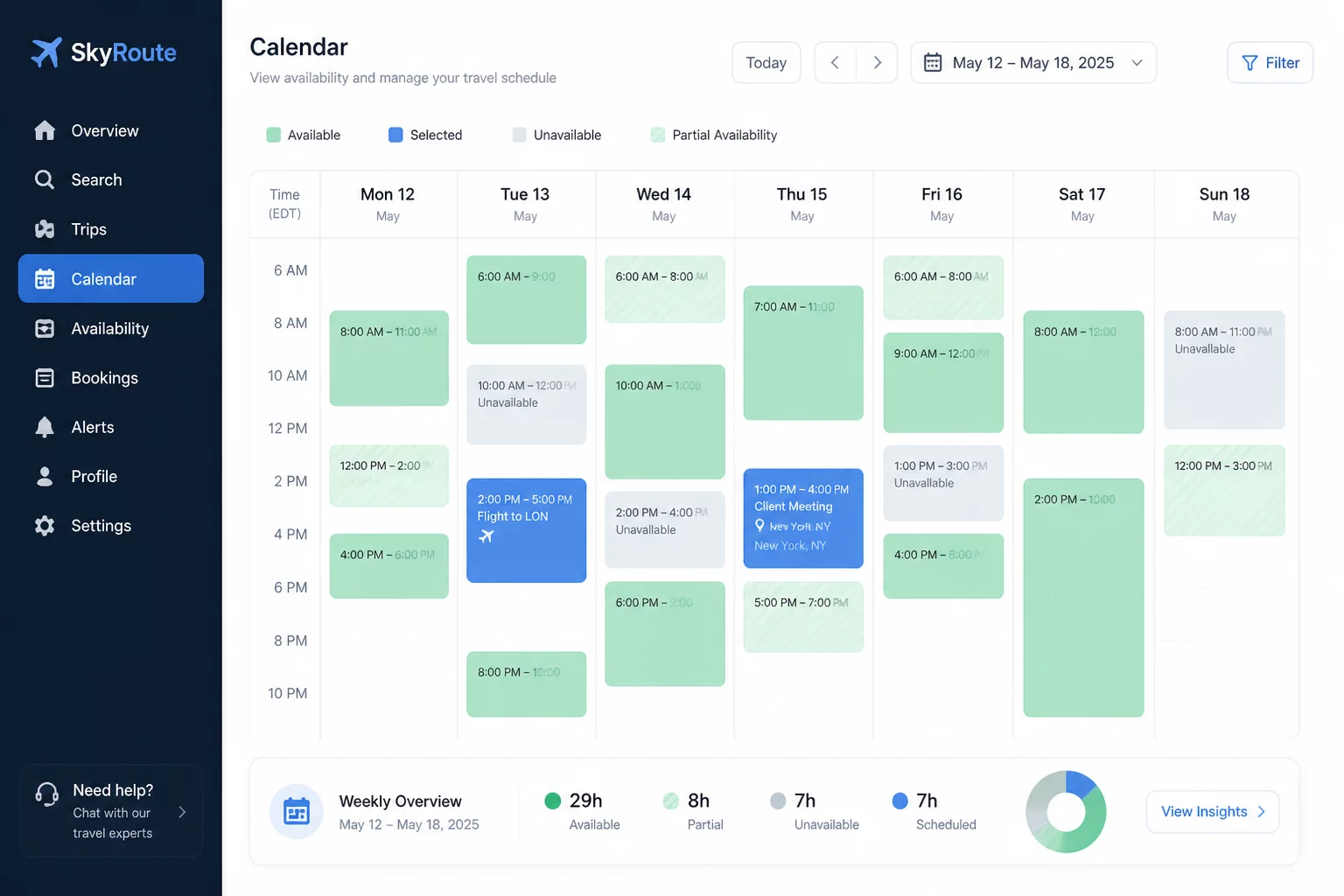
A Booking Reservation Schema is a structural pattern designed to manage the availability and allocation of limited resources over specific time intervals. This model serves as the architectural foundation for scheduling systems, hospitality platforms, and equipment rental services, ensuring that data collisions—such as double bookings—are logically impossible at the database layer. By prioritizing transactional integrity and temporal accuracy, this schema allows developers to build robust systems that handle complex availability logic and state transitions with minimal overhead.
The Core Relationship Model
The success of a reservation system depends on how it relates users, resources, and time. In a normalized schema, the 'Booking' table acts as a join entity between a 'User' and a 'Resource' (like a vehicle or a room). It records the start and end boundaries of the reservation. For systems requiring high granularity, time might be managed through discrete 'Slots', while more flexible systems use standard timestamp columns. Maintaining a separate 'Availability' index or table can significantly speed up search queries, though it introduces the need for synchronized updates.
Lifecycle and Status Management
A reservation is rarely a static record; it evolves through various stages. The schema must account for these transitions using a 'Status' field. Common states include 'Pending Payment', 'Confirmed', 'Checked-In', and 'Cancelled'. To prevent data loss and support reporting, implement a 'Status History' table that logs every change. This allows teams to analyze cancellation rates and booking durations without scanning large audit logs. It also ensures that the current state of a resource is always clear to the end-user during the search process.
Optimizing for Concurrency
One of the hardest challenges in reservation modeling is handling simultaneous requests for the same slot. While application-level checks are common, a resilient schema uses database-level constraints. Postgres, for example, offers EXCLUDE constraints that prevent overlapping ranges for the same resource ID. If your database doesn't support ranges, using unique composite indexes on resource identifiers and time-slots can prevent race conditions. This shift ensures that the database remains the single source of truth for resource availability, even under heavy load.