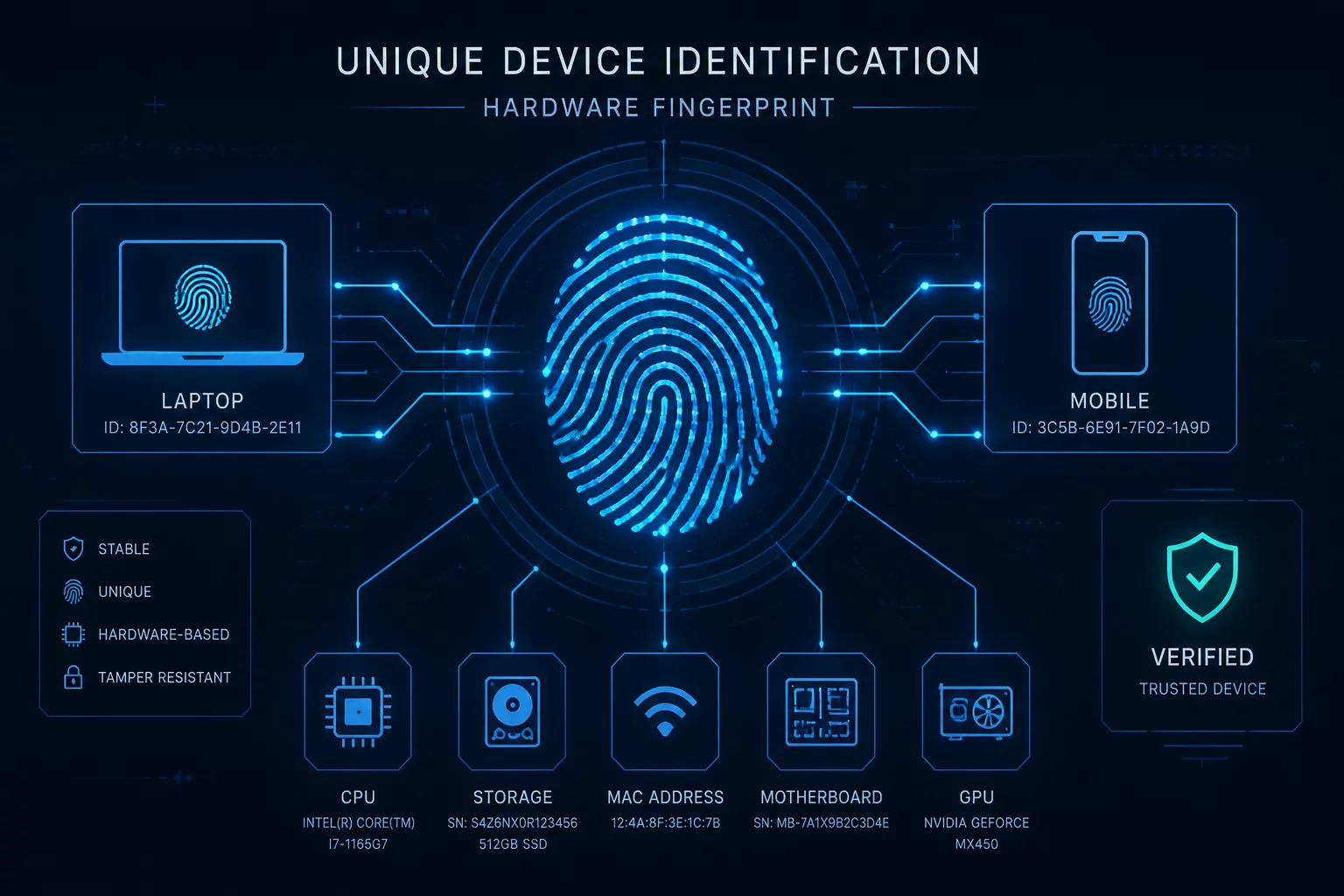
Modern applications require robust mechanisms to identify returning visitors and detect suspicious traffic patterns. The device fingerprint schema provides a structured database layout to log hardware, software, and browser characteristics without relying on cookies. Security systems analyze these unique identifiers to flag credential stuffing, prevent account takeover, and control rate limits at the gateway layer.
Core Database Structure and Entities
This design splits telemetry data into a primary device index and granular attribute tables. The main table registers the generated hash and associates it with a specific user profile or anonymous session. Browser details, operating system parameters, screen dimensions, and network characteristics reside in secondary tables. This split keeps query speeds high when searching for duplicate signatures.
- Device Profiles Table: It maps the generated hash to timestamp logs, user references, and validation statuses.
- Hardware Metadata Table: It records CPU core counts, graphics card details, screen resolutions, and touch support.
- Browser Headers Table: It archives User-Agent strings, language preferences, and plugin configurations.
- Network Attributes Table: It stores IP subnets, timezone offsets, and webRTC local addresses.
Query Optimization and Scale Considerations
High-traffic applications generate large volumes of telemetry data daily. Database administrators must partition the tables by timestamp to maintain indexing performance. Using a composite index on the device hash and creation time allows the query engine to scan recent records quickly. Older data flows into cold storage or gets aggregated for pattern analysis, keeping the active dataset lean.